Precise Hair Transplant — Zero Visible Scars
Our motorized FUE technique extracts individual follicles with surgical precision, leaving only microscopic healing sites that disappear completely. Board certified plastic surgeon with 11,000+ successful transplants.
- No Linear Scar Formation
- 3,000-7,500 Grafts Available
- Same-Day Recovery Protocol
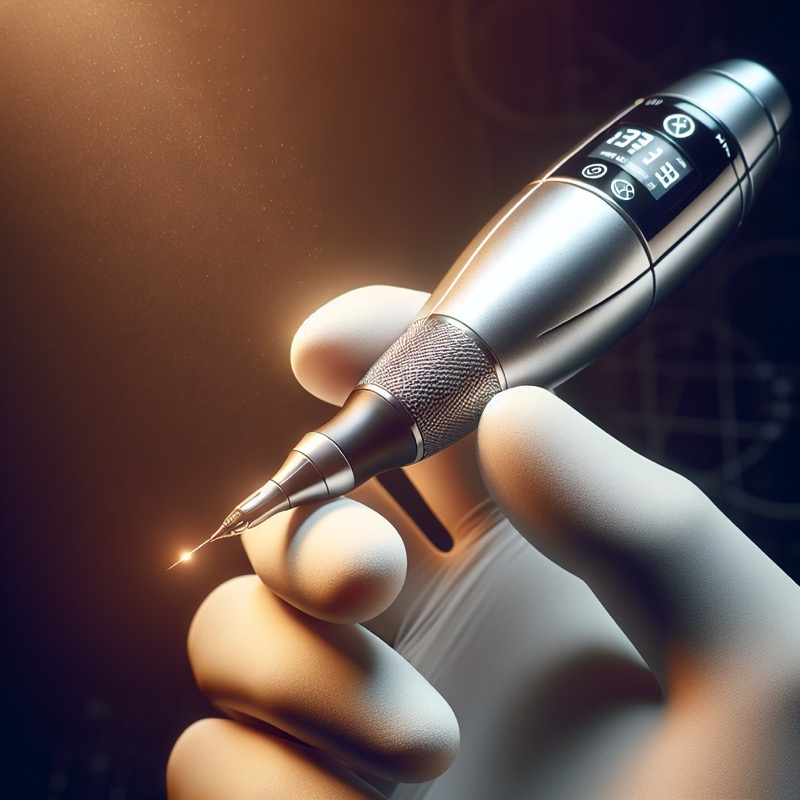
Motorized FUE at a Glance
Everything you need to know about our advanced extraction technique
“No machine can replace the gentleness of the human hand and the accuracy of the human eye. It is not the tool that matters — it is the hand that holds the tool.”
Motorized FUE uses a precision-controlled rotating punch to extract individual follicular units from the donor area. While the motorized system can achieve faster extraction speeds than manual techniques, Dr. Arora emphasizes that the technology is only as effective as the surgeon controlling it. The optimal punch size remains ≤0.9mm to minimize scarring and enhance healing, with the motor providing consistent depth and angle control that reduces the physical strain on the surgeon during longer procedures.
At THLC, motorized FUE is combined with the practice's medical optimization protocol before surgery. Patients receive nutritional supplements, topical applications, and LLLT treatments to recruit all donor hair into the growth phase, resulting in better graft quality and enhanced yield. This pre-conditioning approach means stronger grafts that better tolerate the harvesting process, leading to lower transection rates and improved survival. The motorized precision also allows for selective harvesting — taking one follicle while leaving 3-4 healthy ones behind in each extraction site.
Patients can expect a typical session of 3,000-3,500 grafts with minimal discomfort and faster procedure time compared to manual extraction. The small dot-like scars heal within days and remain scattered between remaining hair, making them virtually undetectable. Results follow the same 6-9 month timeline for graft maturation, with transplanted hair lasting a lifetime when maintained with the ongoing care program of supplements, topicals, and proper scalp hygiene.
Your FUE Recovery and Growth Timeline
Motorized extraction minimizes trauma — here's your healing and regrowth journey
Days 1-10
Initial Healing
Tiny extraction sites begin healing immediately. Resume gentle washing on day 3, normal shampooing by day 10.
Weeks 2-8
Shock Phase
Transplanted hair sheds naturally as follicles enter resting phase. This is expected and healthy.
Months 3-6
New Growth Emerges
Follicles activate and begin producing new hair. First signs of thickness become visible.
Months 6-12
Full Maturation
Hair reaches full thickness and natural appearance. Final density achieved by month 9-12.
Days 1-10
Initial Healing
Tiny extraction sites begin healing immediately. Resume gentle washing on day 3, normal shampooing by day 10.
Weeks 2-8
Shock Phase
Transplanted hair sheds naturally as follicles enter resting phase. This is expected and healthy.
Months 3-6
New Growth Emerges
Follicles activate and begin producing new hair. First signs of thickness become visible.
Months 6-12
Full Maturation
Hair reaches full thickness and natural appearance. Final density achieved by month 9-12.
Your Motorized FUE Journey in 4 Steps
From consultation to full results — guided by surgical expertise every step
Private Evaluation
40-minute consultation includes trichoscopic examination, donor assessment, and personalized surgical plan with realistic graft estimates.
Medical Optimization
Pre-condition donor area with supplements and topicals for 2-3 months to maximize graft quality and survival rates.
Precision Extraction
Individual follicle harvesting using motorized punch technique. Local anesthesia ensures complete comfort throughout the procedure.
Lifetime Growth
Transplanted hair begins growing at 3 months, reaches full maturation by 9-12 months with continued care program support.
What Our FUE Patients Say
Hear from patients who chose motorized extraction for natural, scar-free results
“After 3 months, I have darker thicker hair at my widow's peak and top. It feels like I've gone back in time 5-10 years.”
“I began balding in my early 20s. The treatment restored 95% of my lost hair. It restored my self-confidence. Fast, easy, truly effective.”
“Over 5 years my hair was getting thinner. I was very self-conscious. I tried every treatment in the industry. After 3 months — seeing is believing.”
Real FUE Patient Results
Precision Extraction, Natural Results
Every photo documented under controlled conditions — same room, same lighting, same camera angle for accurate comparison.
Male, Age 40 — Large Session Coverage
3,500 grafts · 14 months post-op
Male, Age 47 — Crown + Vertex
3,200 grafts · 16 months post-op
Female, Age 35 — Hairline Refinement
1,800 grafts · 12 months post-op
Individual results may vary. Photos shown with patient consent.
Motorized FUE Questions Answered
How is motorized FUE different from manual FUE extraction?
Motorized FUE uses a circular punch with controlled oscillation to extract individual follicular units, while manual FUE relies entirely on hand movements. The motorized approach allows for more precise control of punch depth and reduces the physical strain on the surgeon during longer sessions. However, what matters most is not the tool itself — it's the surgeon's skill and experience. Dr. Arora uses optimal punch sizes of 0.9mm or smaller to minimize scarring and enhance healing, whether using motorized or manual techniques.
Will motorized FUE damage my donor hair or leave visible scars?
When performed correctly with proper punch size (≤0.9mm), motorized FUE leaves only small dot-like scars scattered between your remaining hair that are not directly visible. We leave 3-4 healthy follicles behind for every one taken, so your donor area appears the same after healing. The key is not over-harvesting — taking too many grafts from one area can compromise the natural appearance. Our approach ensures you maintain adequate donor density while maximizing graft availability.
How many grafts can be harvested with motorized FUE in one session?
A typical motorized FUE session yields 3,000-3,500 grafts, though your total scalp can provide 3,000-7,500 grafts across 2-3 separate procedures. Promising large numbers in a single sitting is unrealistic and risks compromising results — placing grafts too close together interferes with blood supply and healing. If you need more extensive coverage, we spread the procedures over successive days or months apart. This approach ensures optimal graft survival and natural-looking density.
What's the recovery like after motorized FUE compared to strip surgery?
Motorized FUE recovery is generally more comfortable than strip surgery since there's no linear incision or sutures to remove. You'll have tiny dot-like healing sites in the donor area rather than a continuous scar. Avoid head washing for 2 days, then gentle warm showers from day 3. Don't rub the grafts until day 10 — use a 4-fold towel to gently dab dry. Some swelling around the forehead is normal for 3-5 days. You can resume your supplement program and topical applications from day 10.
When will I see results from my motorized FUE transplant?
Transplanted grafts take 6-9 months to fully mature and show final results. Initially, you may experience some shock loss of existing hair around the transplant area — this is normal and temporary. The transplanted hair typically falls out within 2-4 weeks, then new growth begins around month 3-4. By month 6, you'll see significant improvement, with full density achieved by month 9-12. Following our medical optimization protocol before surgery and maintaining the care program afterward helps ensure better graft survival and faster regrowth.
Hair transplant is 70% technique and 30% artistry. No machine can replace the gentleness of the human hand and the accuracy of the human eye.
Dr. Balvant Arora, MD, MBA
Board Certified Plastic Surgeon · 21+ Years
Procedures That Complement Your Treatment
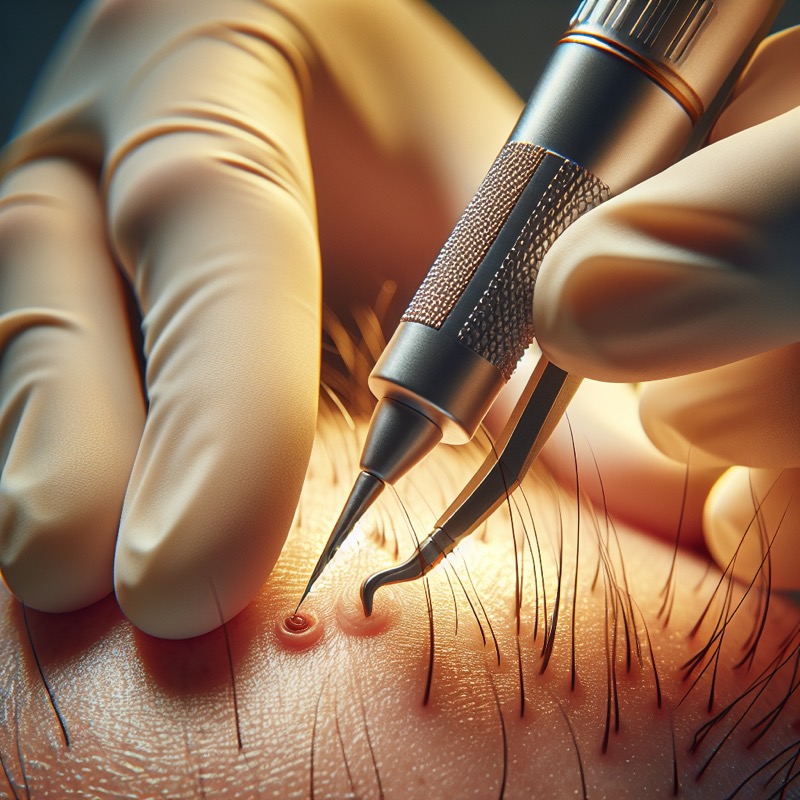
Follicular Unit Extraction (FUE)
Individual follicles extracted with a ≤0.9mm punch, leaving no linear scar. 3,000–3,500 grafts per session with medical
Learn more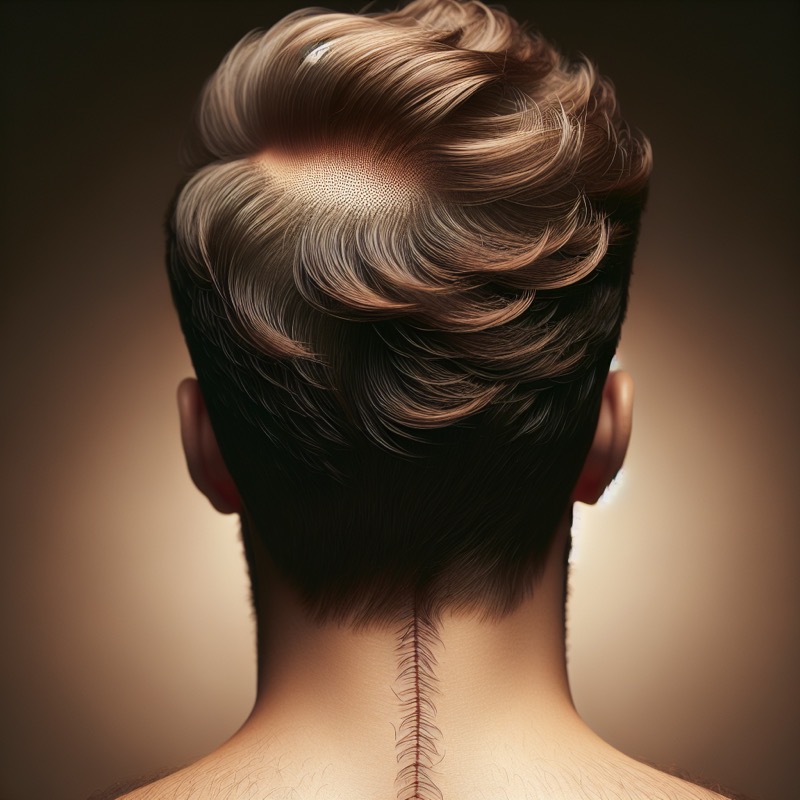
Follicular Unit Transplant (FUT / Strip)
Strip technique harvesting 3,000+ grafts in a single session. Linear scar covered by surrounding hair. Dr. Arora selects
Learn more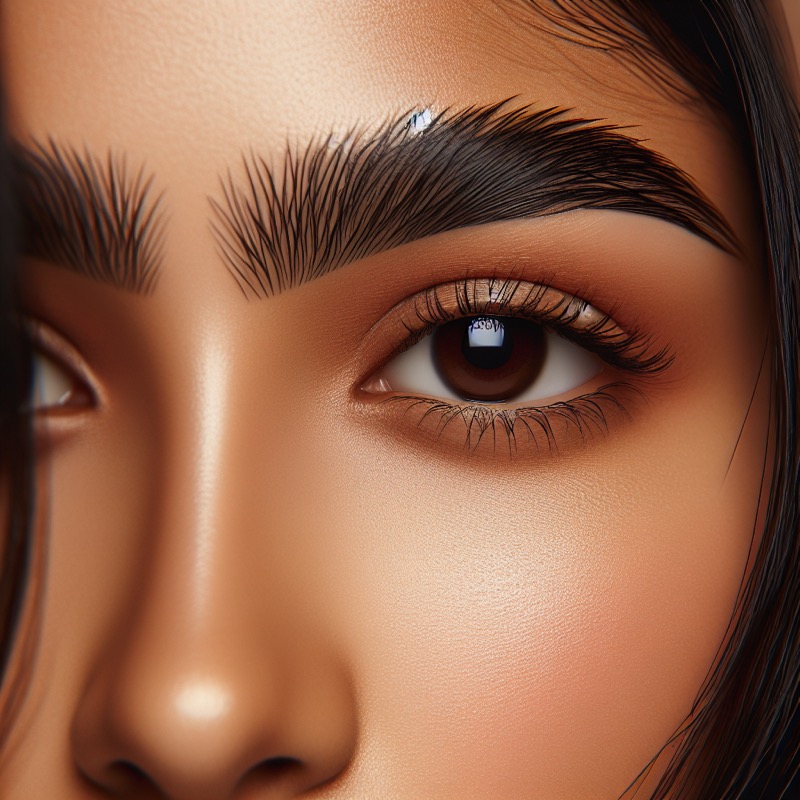
Eyebrow Transplant
FUE technique restores eyebrow density with precise angle and direction matching natural growth patterns.
Learn moreReady for Scar-Free Results?
Your Motorized FUE Consultation Awaits
See if you're a candidate for our advanced extraction technique. Get honest answers about graft numbers, timeline, and realistic expectations.