Maximum Grafts, Minimal Scarring
Dr. Arora's FUT technique harvests 3,000+ grafts in a single session while preserving your donor area. When you need the highest graft count possible, strip transplant delivers.
- 3,000-4,000 Grafts Per Session
- Single Linear Scar
- Maximum Donor Utilization
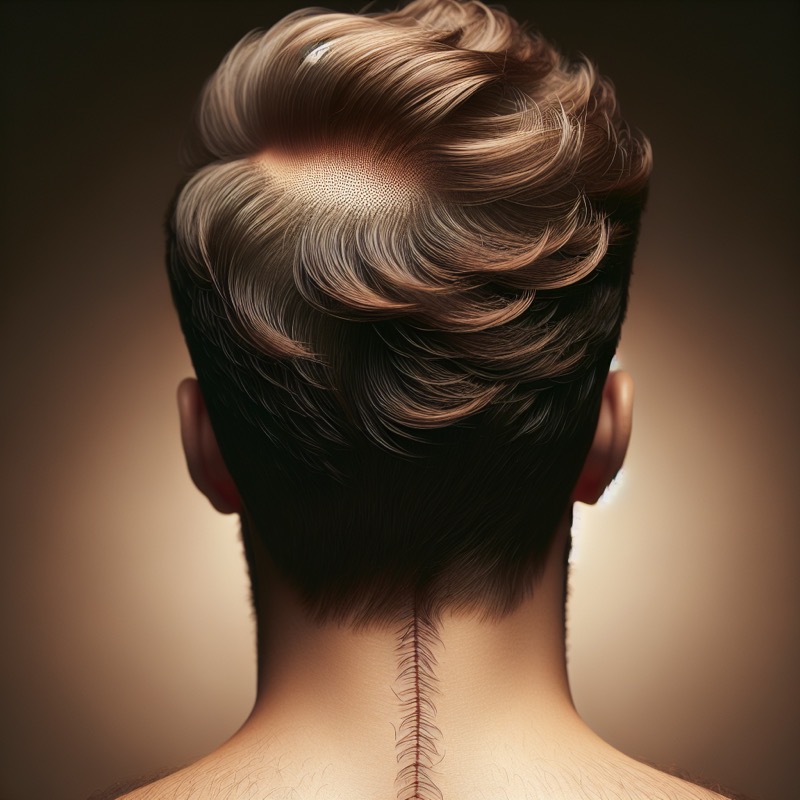
FUT Transplant Facts
What to expect from follicular unit transplant surgery
“A competent transplant surgeon must be well versed in both FUT and FUE — I select the right technique for each patient, not default to one approach.”
Follicular Unit Transplant (FUT) involves removing a strip of scalp 1-1.5cm wide and 10-25cm long from the posterior scalp, then carefully dissecting individual follicular units under microscope before transplanting them one hair at a time. This technique can yield 3,000+ grafts in a single session, making it highly efficient for patients needing significant coverage. The linear scar is strategically placed to be covered by surrounding hair when worn at normal length, and sutures are removed 10-14 days after the procedure.
Dr. Arora brings equal expertise in both FUT and FUE techniques, selecting the optimal approach based on your individual hair characteristics, donor availability, and restoration goals — not because the practice only offers one method. This surgical flexibility allows him to maximize graft yield while minimizing donor area impact. His background as Chief of Surgery and Board Certified Plastic Surgeon ensures the same meticulous surgical standards applied to major reconstructive procedures are brought to every hair transplant.
Before any FUT procedure, Dr. Arora implements medical optimization protocols using nutritional supplements, topical applications, and low-level laser therapy to recruit donor hair into active growth phase. This pre-conditioning approach improves graft quality, enhances yield, and reduces the risk of shock loss — innovations that help achieve better survival rates and earlier regrowth. Results mature over 6-9 months, and transplanted hair lasts a lifetime when supported by the ongoing care program that strengthens both transplanted and existing follicles.
Your FUT Recovery Timeline
What to expect from surgery through full growth — realistic expectations for the best possible outcome.
Days 1-14
Healing Phase
Donor area heals while recipient grafts establish blood supply. Sutures removed at 10-14 days.
Weeks 2-8
Shedding Phase
Transplanted hair sheds normally as follicles enter rest phase. Donor scar fades to thin white line.
Months 3-6
New Growth
New hair begins emerging from transplanted follicles. Growth accelerates month by month.
Months 6-12
Full Results
Transplanted hair reaches mature thickness and length. Final density achieved by 9-12 months.
Days 1-14
Healing Phase
Donor area heals while recipient grafts establish blood supply. Sutures removed at 10-14 days.
Weeks 2-8
Shedding Phase
Transplanted hair sheds normally as follicles enter rest phase. Donor scar fades to thin white line.
Months 3-6
New Growth
New hair begins emerging from transplanted follicles. Growth accelerates month by month.
Months 6-12
Full Results
Transplanted hair reaches mature thickness and length. Final density achieved by 9-12 months.
Your FUT Procedure in 4 Steps
Dr. Arora guides you through every phase with surgical precision and patient comfort.
Private Consultation
Trichoscopic evaluation determines if FUT is right for you. We discuss graft needs, hairline design, and realistic expectations.
Medical Optimization
Pre-surgical conditioning with supplements and topicals strengthens donor hair quality and improves graft survival rates.
Strip Harvest
Donor strip carefully removed and hand-dissected into individual follicular units under microscope for maximum viability.
Precision Implantation
Each graft placed with proper angle, depth, and direction to match your natural growth pattern and achieve full density.
What FUT Patients Say
Real results from patients who chose strip transplant for maximum coverage.
“After 3 months, I have darker thicker hair at my widow's peak and top. It feels like I've gone back in time 5-10 years.”
“I began balding in my early 20s. The treatment restored 95% of my lost hair. It restored my self-confidence. Fast, easy, truly effective.”
“Over 5 years my hair was getting thinner. I was very self-conscious. I tried every treatment in the industry. After 3 months — seeing is believing.”
Real FUT Results
Strip Transplant Transformations
Each photo taken in controlled conditions — same room, same lighting, same camera distance — to show authentic progress.
Male, Age 45 — Advanced Crown Coverage
3,500 grafts · 16 months post-op
Male, Age 52 — Full Hairline Rebuild
4,000 grafts · 14 months post-op
Male, Age 39 — Temple Restoration
2,500 grafts · 12 months post-op
Individual results may vary. Photos shown with patient consent.
FUT Questions Answered
What's the difference between FUT and FUE? How do I know which is right for me?
FUT removes a strip 1–1.5cm wide and 10–25cm long from the back of your scalp, then individual hairs are dissected from that strip and implanted. This leaves a linear scar that's covered by surrounding hair if worn long. FUE extracts individual follicles using a circular punch, leaving small dot-like scars scattered between remaining hair. Dr. Arora is equally skilled in both techniques and selects the right approach for each patient — a competent transplant surgeon must be well versed in both. The choice depends on your hair loss pattern, donor area characteristics, and lifestyle preferences.
Will I have a visible scar with FUT?
Yes, FUT creates a linear scar where the strip was removed. However, this scar is designed to be covered by the surrounding hair when worn at normal length. The sutures are removed 10–14 days after surgery. If you prefer to wear your hair very short or shaved, FUE might be a better option since it creates tiny dot-like scars that are less noticeable. Dr. Arora will discuss your hair styling preferences during consultation to help determine the best approach.
How many grafts can I get with FUT compared to FUE?
Both FUT and FUE can typically harvest 3,000–3,500 grafts in a single session, with total scalp availability of 3,000–7,500 grafts across 2–3 sittings. The technique itself doesn't determine graft count — your donor area characteristics do. What matters most is not over-harvesting and maintaining proper spacing to avoid interfering with capillary perfusion. More grafts should be spread over multiple sittings on successive days or months apart for optimal results.
Is FUT more painful than FUE?
Both procedures are performed under local anesthesia, so you won't feel pain during surgery. With FUT, there may be some tightness or discomfort from the linear incision as it heals, which is managed with prescribed pain medications. The suture removal at 10–14 days is brief. Post-operative care includes antibiotics and pain medications as prescribed. Most patients describe the overall experience as much more comfortable than expected with either technique.
What's the recovery like after FUT surgery?
After FUT, avoid head baths for 2 days, then gentle warm showers from day 3. Apply ointment to the donor site and spray the recipient area as directed. The sutures are removed 10–14 days later. Do NOT rub grafts until day 10 — use a 4-fold towel to gently dab dry. Resume your care program (supplements and topical applications) from day 10. Some swelling around the forehead is normal and disappears in 3–5 days. Follow-up appointments are scheduled at 48 hours and 10 days, with video conference available for distance patients.
A competent transplant surgeon must be well versed in both FUT and FUE techniques. The choice depends on what's best for the patient, not what's easiest for the surgeon.
Dr. Balvant Arora, MD, MBA
Board Certified Plastic Surgeon · 21+ Years
Procedures That Complement Your Treatment
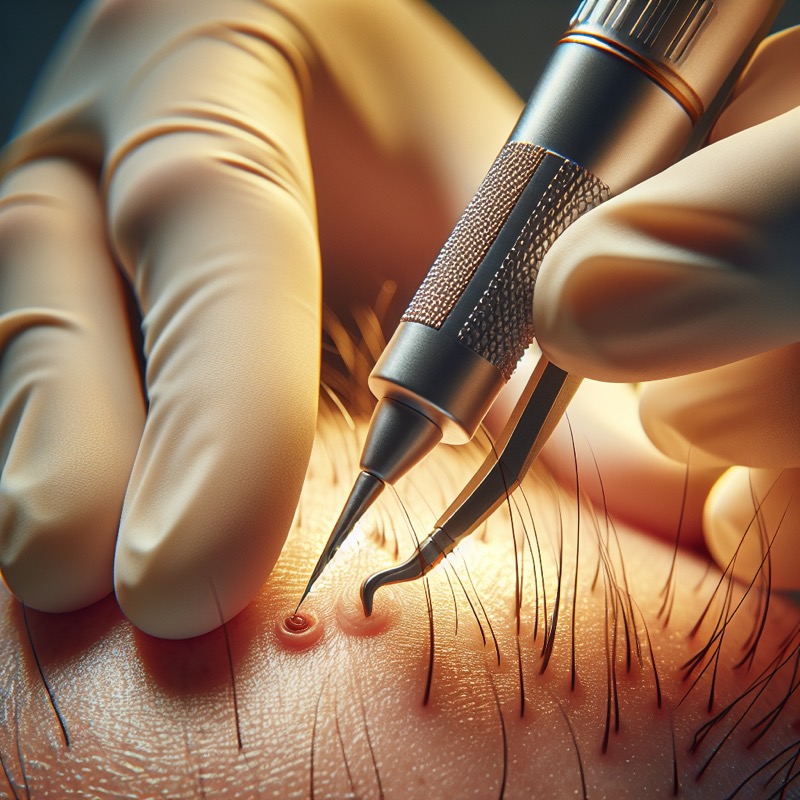
Follicular Unit Extraction (FUE)
Individual follicles extracted with a ≤0.9mm punch, leaving no linear scar. 3,000–3,500 grafts per session with medical
Learn more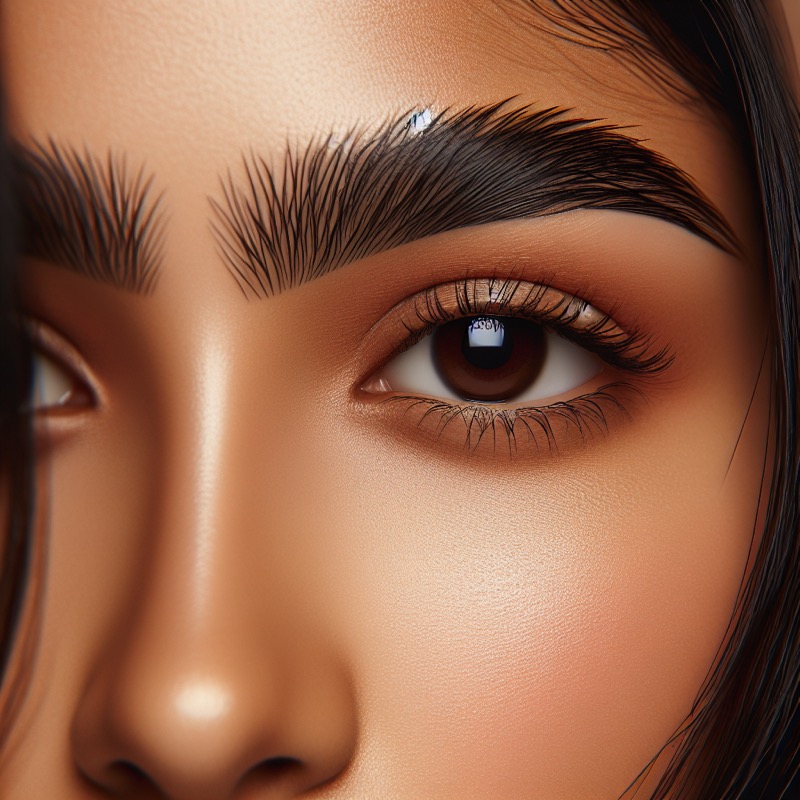
Eyebrow Transplant
FUE technique restores eyebrow density with precise angle and direction matching natural growth patterns.
Learn more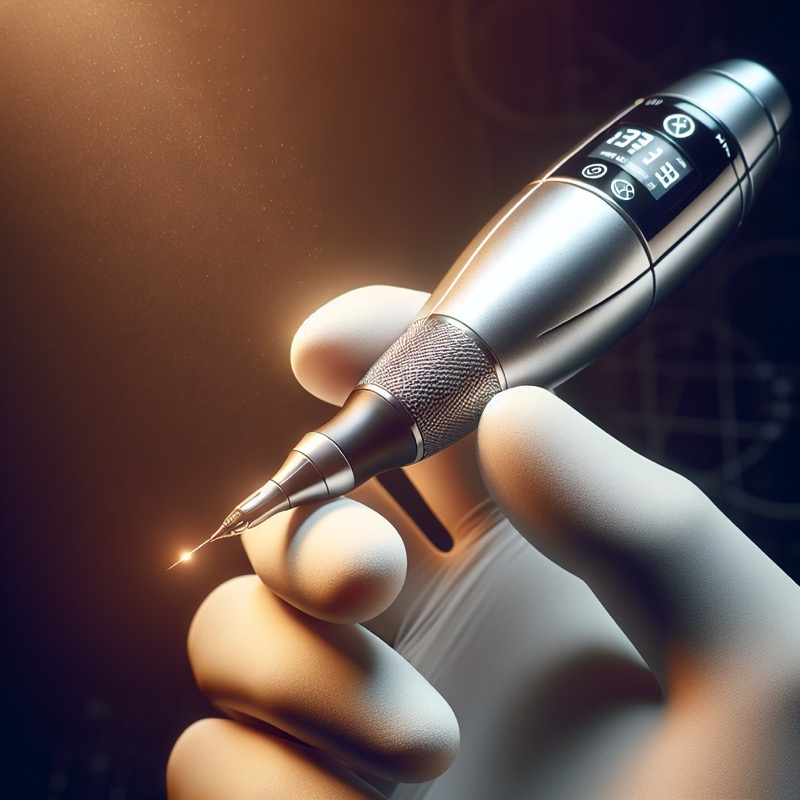
Motorized FUE Technique
Advanced motorized punch extraction for faster, more precise follicle harvesting. Reduced procedure time with consistent
Learn moreReady for Maximum Results?
Your High-Density Restoration Starts Here
Find out if FUT is right for your hair loss pattern. Dr. Arora will evaluate your donor area and design a surgical plan for maximum coverage.