Expert Care for Every Hair Type
Northern Virginia's only hair clinic with proven success treating African American, Asian, Hispanic, and Middle Eastern hair loss patterns. Our trichoscopic evaluation assesses YOUR unique follicle structure — not a one-size-fits-all approach.
- Success Across All Hair Types
- Traction Alopecia Reversal
- CCCA Early Detection & Treatment

Ethnic Hair Loss Facts
Understanding the unique challenges of different hair types
“Different ethnicities have different hair structures and growth patterns requiring individualized assessment — not a one-size-fits-all approach.”
Hair loss affects every ethnicity, but the patterns, causes, and optimal treatments vary significantly based on hair structure and cultural styling practices. At The Hair Loss Clinic, our trichoscopic evaluation under video microscope assesses individual follicle health regardless of hair type, providing precise diagnosis for conditions like CCCA (Central Centrifugal Cicatricial Alopecia) in Black women, traction alopecia from tight braiding or chemical processing, and ethnicity-specific androgenetic patterns that standard approaches often miss.
Our specialized expertise goes beyond surface-level treatment. Dr. Rajput's 30 years of international experience includes patients from 75+ countries, while our patented Cyclical Vitamin Therapy works equally well across all ethnicities because it strengthens follicles at the cellular level. We understand that tight cornrows, chemical relaxers, and cultural styling preferences create unique challenges — our treatment plans account for these factors while preserving your preferred hair care routine whenever possible.
Results depend on early intervention, especially for traction alopecia which can progress to permanent scarring if untreated. Most patients see hair loss control within 4-6 weeks of starting our nutritional protocol, with 30-156% new growth visible on follow-up trichoscopy within 4-6 months. For advanced cases requiring transplant, our FUE technique works effectively on all hair textures, and our medical optimization approach ensures the strongest possible graft survival regardless of your ethnic background.
Your Hair Recovery Timeline
Early intervention is key — here's what most patients experience when we catch it in time
Week 1-2
Stop Further Damage
Identify and eliminate the practices causing ongoing hair loss. Immediate scalp health improvement begins.
Months 1-2
Strengthen Existing Hair
Remaining follicles show improved health on trichoscopy. Hair feels stronger, breaks less during styling.
Months 3-4
New Growth Appears
Fine new hairs become visible along edges and thinning areas. Parting lines begin to fill in.
Months 6-8
Established Results
New growth converts from fine to terminal hair. Coverage improves significantly in treatable areas.
Week 1-2
Stop Further Damage
Identify and eliminate the practices causing ongoing hair loss. Immediate scalp health improvement begins.
Months 1-2
Strengthen Existing Hair
Remaining follicles show improved health on trichoscopy. Hair feels stronger, breaks less during styling.
Months 3-4
New Growth Appears
Fine new hairs become visible along edges and thinning areas. Parting lines begin to fill in.
Months 6-8
Established Results
New growth converts from fine to terminal hair. Coverage improves significantly in treatable areas.
Your Path to Recovery in 4 Steps
We'll guide you through every stage of understanding and treating your specific type of ethnic hair loss
Specialized Evaluation
40-minute consultation with trichoscopic examination. We identify your specific condition — CCCA, traction alopecia, or pattern loss.
Cultural Assessment
Review your styling history, chemical treatments, and genetic factors. Understanding your hair journey is crucial for effective treatment.
Customized Protocol
Develop a treatment plan specific to your hair type and condition. May include nutrition therapy, topicals, or protective measures.
Ongoing Monitoring
Regular follow-ups with photographic documentation. Track progress and adjust treatment as your hair responds.
Patients From Every Background
Hear from patients who found answers after years of being misunderstood by other providers
“After 3 months, I have darker thicker hair at my widow's peak and top. It feels like I've gone back in time 5-10 years.”
“I began balding in my early 20s. The treatment restored 95% of my lost hair. It restored my self-confidence. Fast, easy, truly effective.”
“Over 5 years my hair was getting thinner. I was very self-conscious. I tried every treatment in the industry. After 3 months — seeing is believing.”
All Hair Types Welcome
Success Stories Across Ethnicities
Real results from patients with African American, Asian, Hispanic, and Middle Eastern hair types — all photographed under controlled conditions.
Female, Age 38 — Traction Alopecia Recovery
8 months treatment
Female, Age 45 — CCCA Management
10 months treatment
Male, Age 33 — Pattern Thinning
6 months treatment
Individual results may vary. Photos shown with patient consent.
Questions About Ethnic Hair Treatment
Does the treatment work differently on Black hair, Asian hair, or other ethnic hair types?
THLC's trichoscopic evaluation assesses individual follicle health regardless of hair type - not a one-size-fits-all approach. Different ethnicities have different hair structures and growth patterns requiring individualized assessment. Our cyclical vitamin therapy and treatment protocols work equally well across all ethnicities because we're strengthening follicles at the cellular level, not just addressing surface symptoms. The clinical trial showed equal results in men and women regardless of age or ethnicity.
Can you treat traction alopecia from tight braiding, weaves, and chemical relaxers?
Yes, traction alopecia is reversible and treatable if detected early. This condition typically affects the hairline, receding from front and temples due to tight braiding, cornrows, weaves, or chemical relaxing. Our cyclical vitamin therapy strengthens weakened follicles that haven't been permanently damaged. Combined with proper hair care modifications, patients typically see improvement within 4-6 weeks for hair loss control and visible regrowth within 2 months on trichoscopy.
What is CCCA and can it be treated without surgery?
CCCA (Central Centrifugal Cicatricial Alopecia) mostly affects middle-aged Black women, causing balding from the center outward with potential scarring and permanent loss. Early-stage CCCA can respond to our cyclical nutrition therapy, which builds better immunity and strengthens adjacent follicles to prevent spread. However, areas with complete scarring require hair transplant. The key is early detection through trichoscopic evaluation to determine which follicles can still be saved.
How do you handle different hair textures for transplant procedures?
Dr. Arora's FUE technique adapts to all hair textures. Curly, coily, or kinky hair requires specific punch angles and extraction techniques different from straight hair. We use optimal punch sizes (≤0.9mm) and adjust positioning based on natural curl patterns. Beard hair is particularly popular for ethnic patients as it's thicker and longer-lasting than scalp hair. The key is understanding how each hair type grows and planning the transplant accordingly - this requires experience with diverse patients, which we have from treating all ethnicities.
Will the treatments interfere with my regular hair care routine or styling products?
Our treatments work alongside your existing routine. The cyclical vitamin therapy has no restrictions on styling or products. If using minoxidil, apply it first, then use your regular oils, serums, or styling products 15-20 minutes later. The nutritional supplements actually improve hair strength, making it more resistant to chemical and heat damage. We'll provide specific guidance on post-treatment care that accommodates your styling preferences while maximizing results.
Hair loss is not a sickness or a disease. Different ethnicities have different hair structures and growth patterns requiring individualized assessment — not a one-size-fits-all approach.
Dr. Rajendra Singh Rajput, M.S., M.Ch.
International Certified Trichologist · FISHRS Fellow
Procedures That Complement Your Treatment
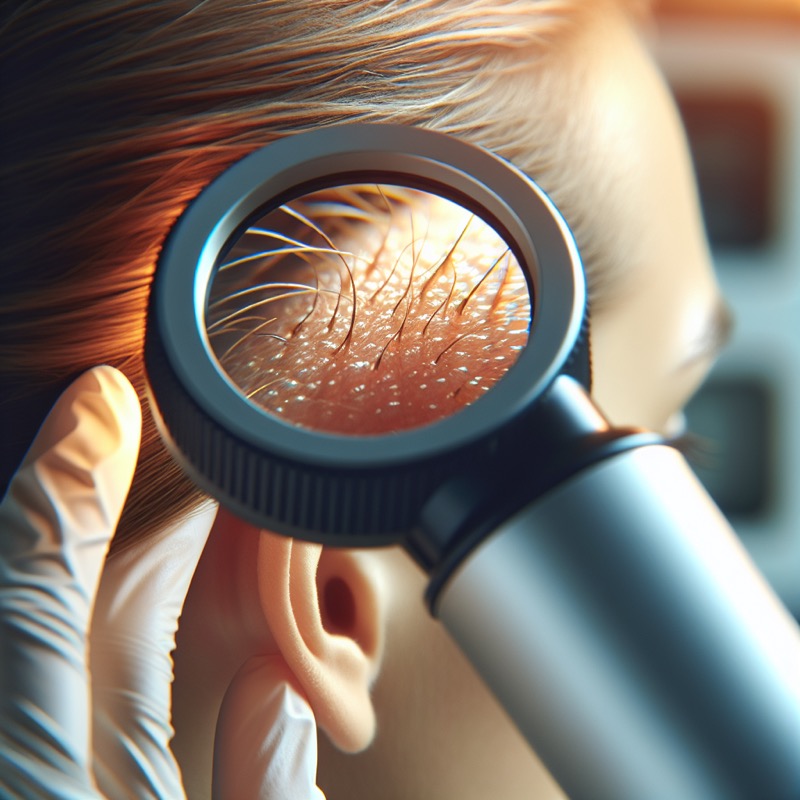
Hair Loss Evaluation & Diagnosis
Comprehensive trichoscopic examination under video microscope with photographic documentation. The foundation of your pe
Learn more
Cyclical Vitamin Therapy (Hair Fact)
Dr. Rajput's patented protocol splitting nutrients into synergistic 3-day cycles. 30–156% new hair growth in 4–6 months
Learn more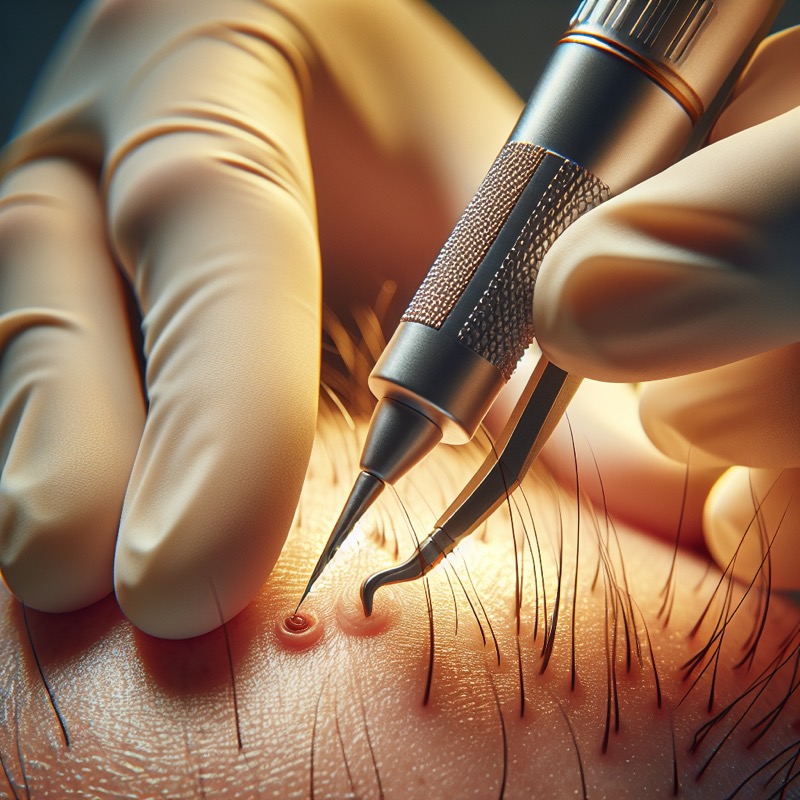
Follicular Unit Extraction (FUE)
Individual follicles extracted with a ≤0.9mm punch, leaving no linear scar. 3,000–3,500 grafts per session with medical
Learn moreReady for Specialized Care?
Get the Understanding You Deserve
Stop settling for generic solutions. Our ethnic hair specialists will properly diagnose your condition and create a treatment plan that actually works.