Researching Your Hair Restoration Options?
Board Certified Plastic Surgeon. FISHRS Fellow. 11,000+ Transplants. FUE from $2.50/graft. Before you commit, see what a personalized plan looks like.
- Board Certified Plastic Surgeon — 11,000+ transplants
- FISHRS Fellow — 30 years exclusive hair restoration
- FUE from $2.50/graft · typical 3,000 grafts = $7,500
- 21 scientific publications · 75 countries
Credentials
What an ongoing care relationship looks like
Not one-and-done. Progress, photographed and tracked.
Trichoscopic + 2-month tracking
Objective progress documentation, same room every time.
Pre-transplant optimization
Supplements + topicals + LLLT — better graft yield.
Post-transplant maintenance
Nutritional and topical care to preserve gains long-term.
Photographic documentation
Controlled, not vague. You see the change.
The Multiple Therapy Approach
Surgical accuracy. Medical strength. Nutritional foundation. Combined per patient, not 'pick one.' That's why patients who tried everything else come here — and stay.
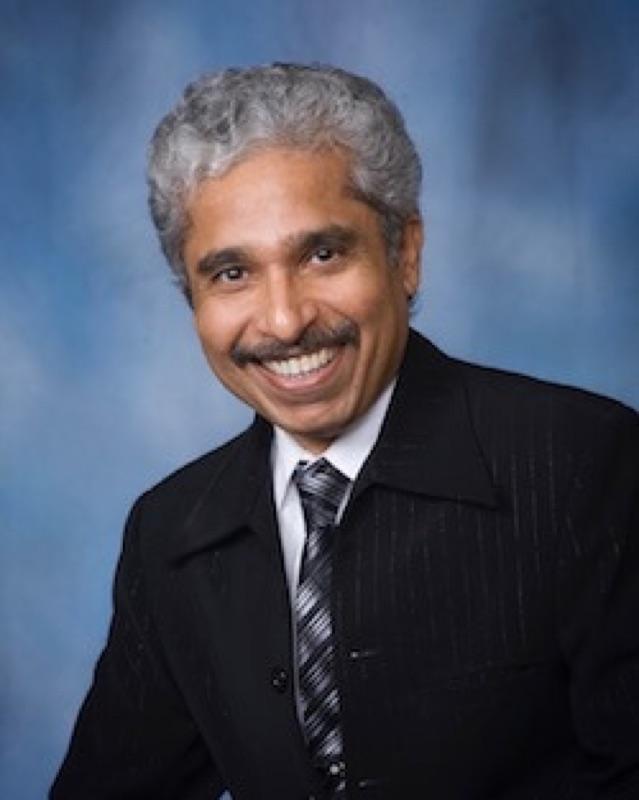
Dr. Balvant Arora
Board Certified Plastic & Hair Transplant Surgeon
Dr. Balvant Arora, MD, MBA is a Board Certified Plastic, Reconstructive, and Cosmetic Surgeon and Hair Transplant Surgeon with 21+ years of U.S. practice. The Hair Loss Clinic has treated 120,000+ patients and performed 11,000+ hair transplants and 5,000+ PRP procedures in Springfield, Virginia.
- ◆Board Certified Plastic Surgeon
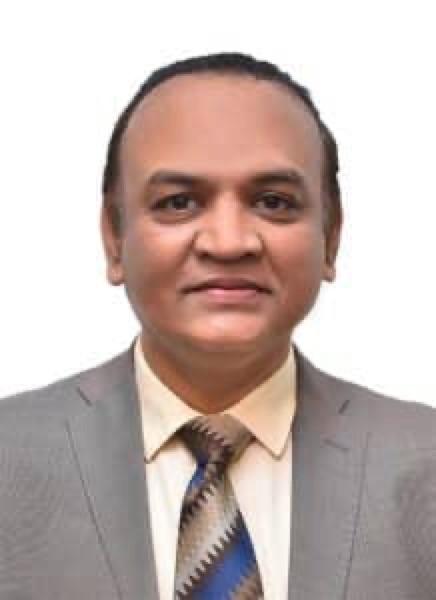
Dr. Rajendra Rajput
FISHRS Fellow & International Certified Trichologist
Dr. Rajendra Singh Rajput — the first Indian physician to earn Fellowship in the International Society of Hair Restoration Surgery — has devoted three decades exclusively to the science of hair restoration. His patented Cyclical Nutrition Therapy achieves 30%–156% new hair growth in 4–6 months without finasteride or DHT blockers.
- ◆FISHRS Fellow
- ◆International Certified Trichologist
- ◆Patent Holder: Cyclical Nutrition Therapy
Patients who tried everything else
No guarantee is stated or implied by any photo or testimonial on this site. Individual results will vary.
“After 3 months, I have darker thicker hair at my widow's peak and top. It feels like I've gone back in time 5-10 years.”
“I began balding in my early 20s. The treatment restored 95% of my lost hair. It restored my self-confidence. Fast, easy, truly effective.”
“Over 5 years my hair was getting thinner. I was very self-conscious. I tried every treatment in the industry. After 3 months — seeing is believing.”
Questions about your options
How does FUE differ from the strip method (FUT)?
FUE uses a circular punch (≤0.9mm) to extract individual follicles one at a time, leaving small dot-like scars scattered between remaining hair that aren't directly visible. The strip method removes a 1-1.5cm wide strip from the back of your head, leaving a linear scar that's covered when you wear your hair long. Dr. Arora is equally skilled in both techniques and selects the right approach for each patient based on your specific case - a competent transplant surgeon must be well versed in both methods.
What exactly happens during the hair loss evaluation?
Every patient receives a comprehensive trichoscopic examination under a video microscope to assess individual follicle health. We take photographic documentation in a controlled setting — same room, lighting, camera, and distance — which becomes your baseline for tracking progress. This detailed evaluation looks at hair density, caliber, growth patterns, and follicle miniaturization to determine the exact nature and extent of your hair loss. The 40-minute private consultation includes reviewing your medical history, discussing treatment options, and creating a personalized plan based on your specific condition.
Can you diagnose the exact cause of my hair loss?
Hair loss has 72 scientific causes, but causes are weak, not quantifiable, and keep changing. We don't focus on identifying specific causes because treating one cause often means hair falls for another reason. Our trichoscopic evaluation assesses follicle strength and health patterns — this tells us what your hair needs to grow stronger, regardless of the underlying triggers. The evaluation determines whether your follicles can respond to medical therapy, need transplant support, or require a combination approach.
How many grafts can I realistically get in one FUE session?
A typical FUE session involves 3,000-3,500 grafts. Your total scalp can provide 3,000-7,500 grafts across 2-3 sittings. More grafts should be spread over successive days or months apart because placing too many too close together interferes with capillary perfusion and blood supply, leading to poor healing and graft loss. Promising a large number of grafts in a single sitting is unrealistic and risks compromising your result. We prioritize quality and survival over quantity.
Will my donor area look thin or bald after FUE?
No. For every follicle we extract, we leave 3-4 healthy follicles behind. The hair once removed with roots is permanently shifted, but the donor area appears the same because most of your hair remains. The small dot-like scars are scattered between remaining hair and aren't directly visible. However, it's critical not to over-harvest - this is why we carefully assess your total donor capacity and may recommend spreading larger procedures across multiple sessions.
Will I know if I'm a good candidate for treatment during the evaluation?
Yes, absolutely. The trichoscopic examination immediately shows us follicle health and density patterns. Areas with some remaining follicles — even if hair appears thin or weak — can respond well to our Multiple Therapy Approach with 30-156% improvement possible. Completely bald, shiny areas with no remaining follicles would need transplant. We'll show you exactly what we see under the microscope and explain which treatments can help your specific pattern of hair loss.
Before you commit, see what your plan looks like.
Board Certified Plastic Surgeon · FISHRS Fellow · $2.50/graft · Northern Virginia.